

TRAGIC COUNTRY QUEEN: The Human Cost Of Gloriously Tragic Music
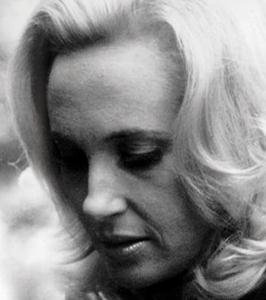
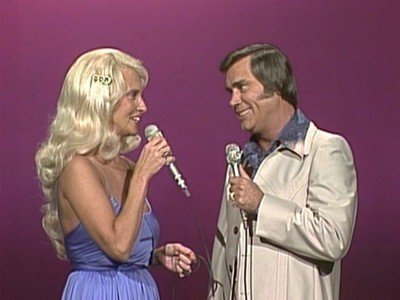
Country music is routinely mocked by non-fans for being a bastion of utter squareness: lame people singing songs packed with trite homilies and living lives of the dullest possible whiteness. However, anyone who's bothered to learn the least bit about the genre knows that old-school country musicians lived their lives with the volume knob cranked to eleven. Most of them believed they had to live the heartbreak and anguish in their songs to make them stick and they undertook their task with the single-minded devotion of a Kamikaze. A prime example is Tammy Wynette. They called her "the First Lady of Country Music" and she paid her dues to earn that title: health problems, multiple marriages, drug addiction, family feuds and a mysterious death shrouded in shady circumstances are just some of the tabloid-ready elements that made up her life. It's a juicy tale, especially the parts dealing with her tempestuous relationship with soulmate/musical genius/self-destructed maniac George Jones, and any competent writer could weave a dishy knockout of a tale from such material.However, what Jimmy McDonough has achieved with Tragic Country Queen is truly special. He keeps the story from being another sordid catalog of tragedy by infusing it with humanity and a genuine love for country music's golden era. He's honest about the grim facts - but he's savvy enough (and decent enough) to give them dimension and emotional/psychological context. As a result, it delivers the goods without making you feel like you've been snooping around in someone's trash cans.
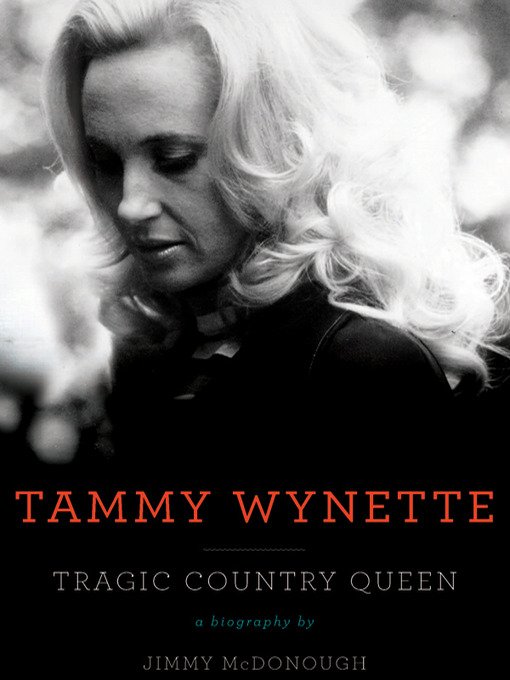 Tragic Country Queen is also a painstakingly researched work - McDonough read every available scrap of biographical material and conducted several fresh interviews with major players in the story like George Jones and Billy Sherill. The resulting book covers the full dimension of the Tammy Wynette story: it starts with her humble upbringing and endless battles with a disapproving mother, covers all the false starts before her fateful meeting with super-producer Sherill, explores all her successes and personal relationships and gently but unflinchingly chronicles her slow, painful fade-out as Wynette slowly gives in to illness, drugs and the manipulative machinations of her final husband, George Richey.McDonough definitely had his work cut out for him: Wynette was famous for expanding events from her life into tall tales as well changing those reworked versions to fit the needs of a particular moment. He deals with this aspect of her story by giving equal time to the multiple sides of a situation and
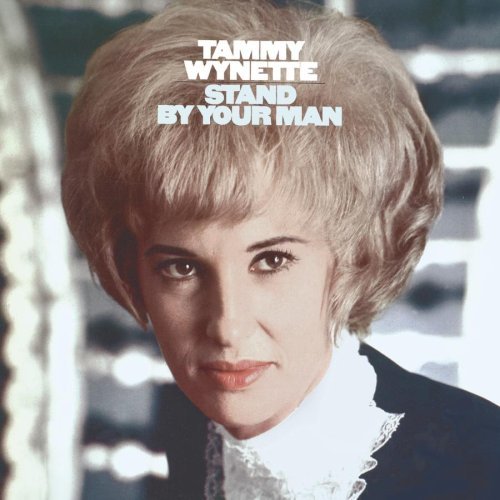 allowing the reader to render the final verdict for themselves. What could have been confusing instead becomes a meditation on how we all shape our individual realities to suit our personal needs.Better yet, McDonough is able to capture the passion for music that drove Wynette in a three-dimensional style because he appreciates and understands the music. He goes deep into how country music was written and recorded during its classic era and is capable of walking the reader through specific corners of its history in a knowledgeable yet personalized way. The story behind each classic Wynette recording is covered in detail, the best being a thoughtful exploration of "Stand By Your Man" that unveils the hidden complexities of a song that only seems to have a simple meaning.
 Best of all, McDonough approaches his subject in a manner that is compassionate with lapsing into heroine-worship. He doesn't hold back from reveal Wynette's capability for petty grudges or casual deceit - but he's also able to allow the reader insight into what drove such behavior. It also helps that he writes with grand style, mixing artful wordsmithing and downhome expressions to create a style that is distinct without being excessively mannered. His skillfully-paced prose keeps the tale running smoothly, even when the going is tragic.It all adds up to a must read for anyone interested in exploring country music's halcyon days from a modern perspective. The blend of honesty, humanity and passion for classic country music that drives Tragic Country Queen makes it genuinely moving in a way that posthumous biographies seldom are.