

A NIGHTMARE ON ELM STREET (1984 Version): An Imperfect Classic Can Still Haunt You
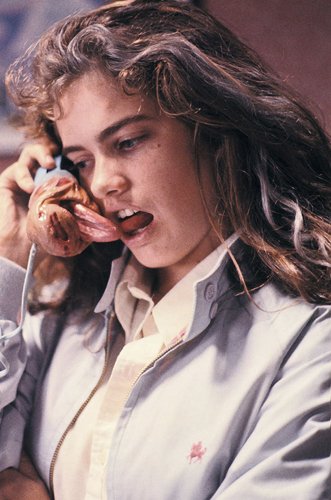
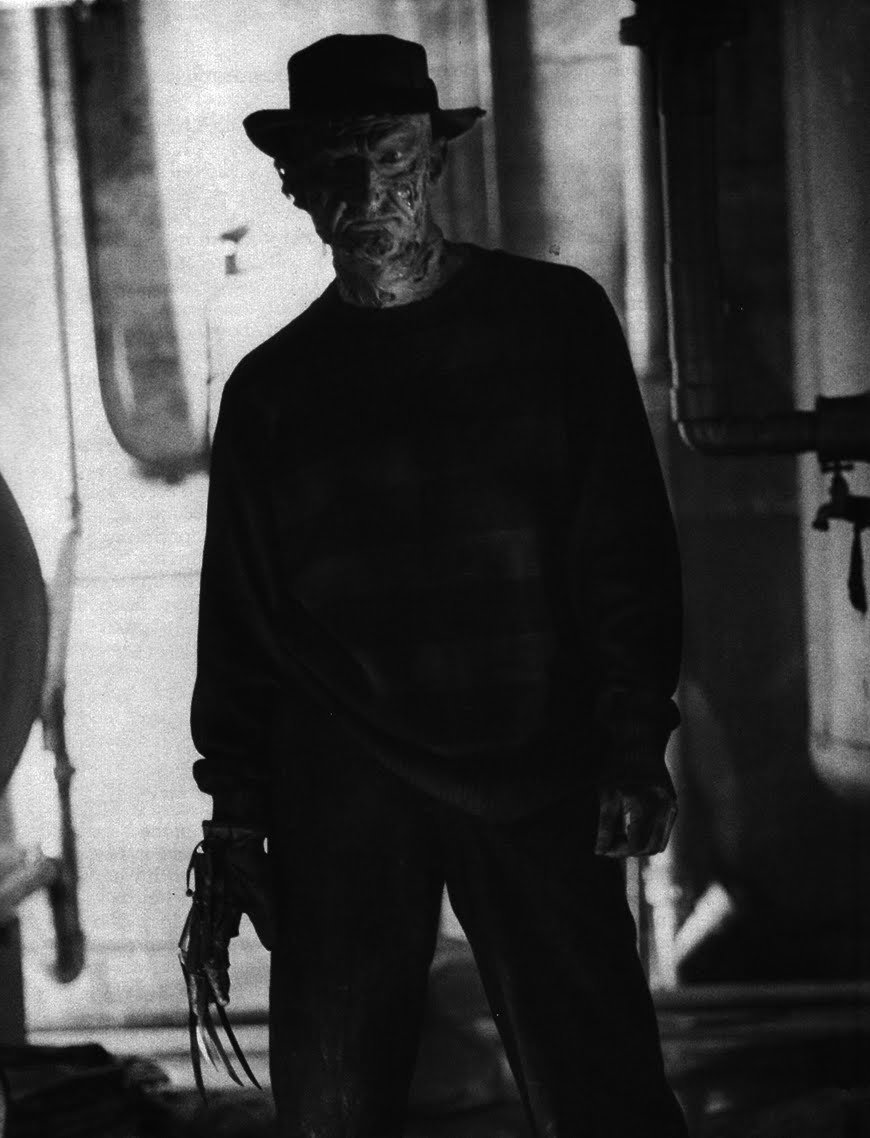
Some people will often tear down a movie previously regarded as a classic because it shows its age when viewed from a modern vantage point. Your Humble Reviewer has two problems with this approach. Number one, it's an ageist point of view that fails to look at the movie in its historical context, which is how you are supposed to determine what is and what isn't classic. Number two, such a narrow-minded way of thinking is built on the confusion that a classic film must be perfect in every way to earn the 'classic' tag. A film doesn't have to be flawless to earn such a designation. It merely must break new ground in a way that influences subsequent films - and the "imperfect classic" is often as fascinating to watch as the flawless kind.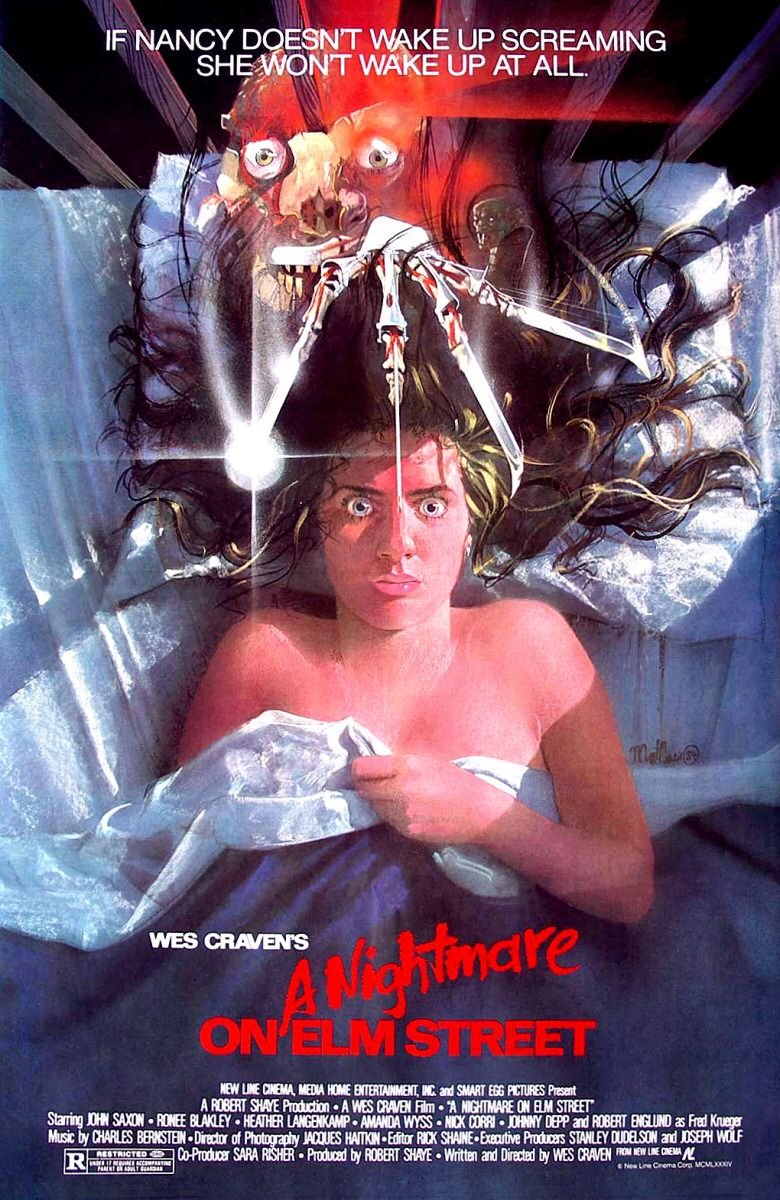 A good example of the "imperfect classic" is Wes Craven's original version of A Nightmare On Elm Street. It has become fashionable in recent times to give it a good bashing, dismissing it as a mediocre film that had one good idea (Freddy Krueger) going for it. While it has some noticeable flaws, to dismiss A Nightmare On Elm Street in this way is alarmingly short-sighted. Whatever its problems, there's a lot here that still works and the film remains potent a quarter of a century after it first scared audiences.A Nightmare On Elm Street opens with a jolt as Tina (Amanda Wyss) dreams she is being chased a maniac with knive-fingered glove and a burn-scarred face. As he attacks, she awakens and finds her clothing ripped. She discusses this nightmare with her friend Nancy (Heather Langenkamp) and discovers she had a dream with the same man in it. That night, Tina's nightmarish foe murders her in her dream and this kills her in real life, leaving her tough-guy boyfriend Rod (Nick Corri) to take the rap.
 Nancy makes the connection between their collective dreams and Tina's death when Rod dies under similarly mysterious circumstances. She soon discovers her parents - alcoholic mom Marge (Ronee Blakely) and beleaguered cop dad Lt. Thompson (John Saxon) - are hiding a terrible secret in their past about the mysterious death of a child killer named Fred Kreuger (Robert Englund). Both are too caught up in their adult world to understand what is going on so Nancy realizes she must face her night terror on its own te
 rms. Thus, the stage is set for a battle fought on the boundary between dreams and reality.If you want to take A Nightmare To Elm Street for being imperfect, in can be done with ease. Langenkamp's performance suffers from stilted line readings and facial inexpressiveness - and Blakely's dead-eyed, numb turn as the mother is even worse. The teen character archetypes tend towards the generic and the dialogue they are given is often annoyingly clunky in its attempts to seem hip. However, the most frustrating problem with the film is an ending that attempts to serve two masters: without giving too much away, it tries to be artsy while delivering a pointless "gotcha" scare and it ends things on an unfortunate note of confusion.However, thes
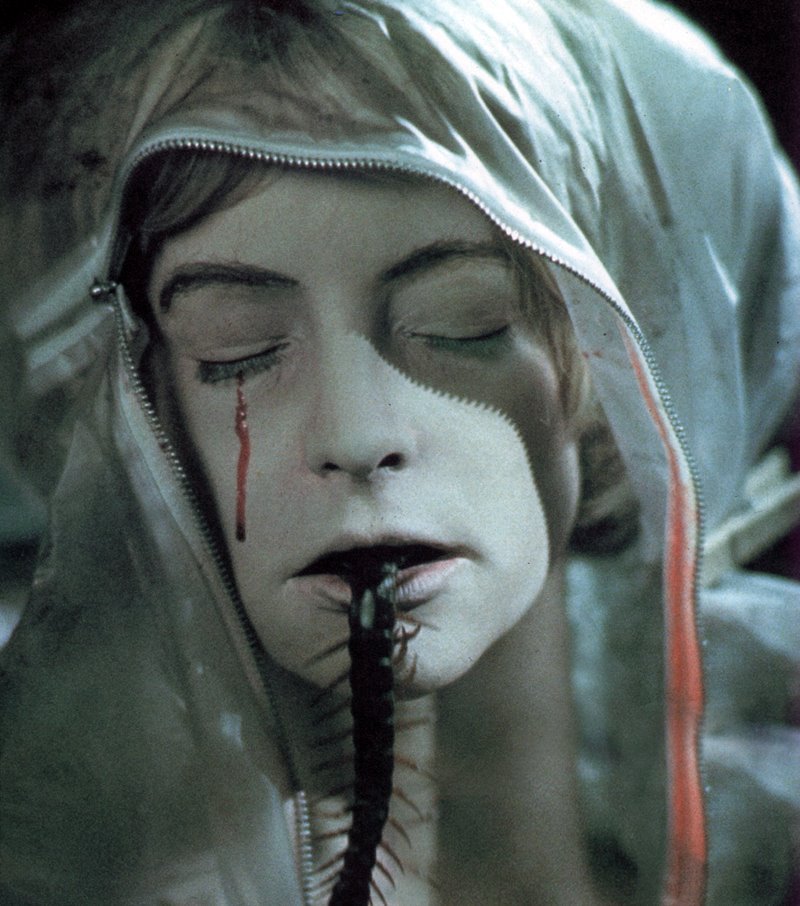
 e flaws seem minor in comparison to the tremendous visceral power that A Nightmare On Elm Street has. Craven directs his story with considerable verve, setting up a plastically perfect vision of suburbia and offsetting it with sweaty, often claustrophobic intrusions of the teen characters' nightmare world. He takes full advantage of the possibilities offered by the film's many dream sequences, packing them with skin-crawlingly surrealist imagery (favorite example: a nightmare vision of Tina shrouded in a body bag, gloomily calling to Nancy before a centipede squirms out of her mouth). Better yet, he achieves the majority of his illusions via cleverly conceived and deployed practical effects that give the nightmares a tangibly physical texture.
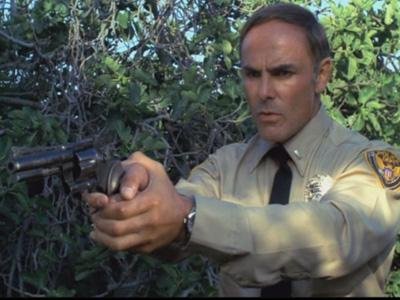 Better yet, A Nightmare On Elm Street is the rare "dead teenager" film that has compassion for its Final Girl heroine and paints her as a brave, worthy opponent for the film's villain. Langenkamp's performance is raw in the extreme but its fueled with a certain gutsiness that no doubt endeared her to teens of her era, particularly the young ladies: Nancy is ready to fight and willing to do so without any help. The film also sports two ace performances: Saxon manages to make his "disbelieving parent" archetype seem effortlessly convincing and Englund infuses Krueger with a Mephistophelian glee that makes him seem alive in a way that horror villains from this era rarely are. He'd become a cartoon as the sequels rolled out but, in his original incarnation, Englund's Freddy is the epitome of gleeful menace.To sum up, A Nightmare On Elm Street might wear its flaws on its sleeve but it also shows a depth and ambition to the conception and depiction of its horrors that is timeless. That's enough to secure its classic status in Your Humble Reviewer's eyes.