

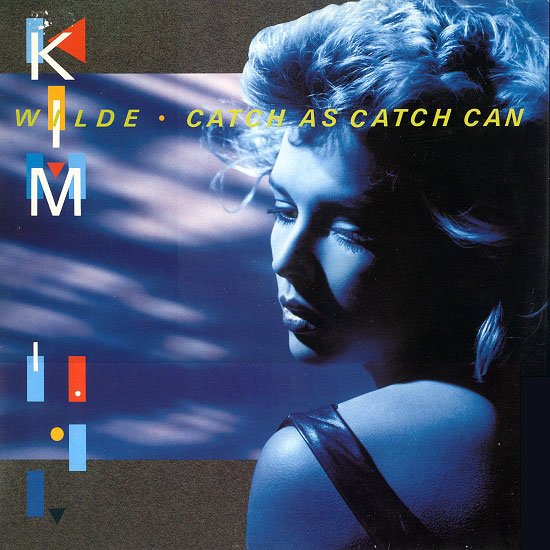
KIM WILDE - CATCH AS CATCH CAN: When The New Wave Begins To Recede...
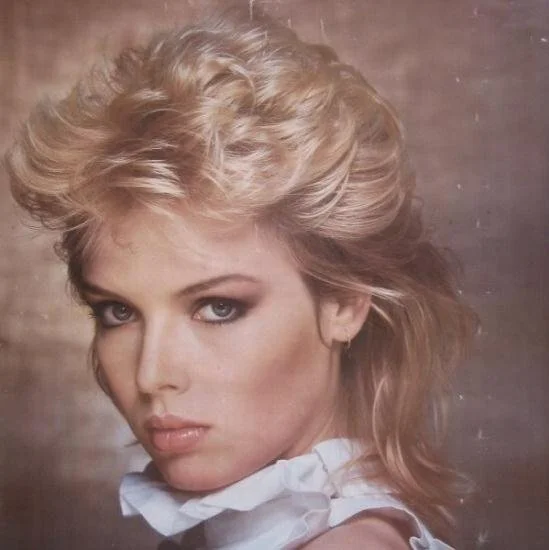
Album number three was a bit of a rough patch for Kim Wilde: it didn't notch up as many singles for Kim in the U.K. as its predecessors, the label forced an outside-written single on it that stiffed and the resulting album simply isn't as well-liked among fans as the albums that preceded or followed. However, none of that means Catch As Catch Can is a bad album. It's actually an entertaining if inconsistent piece of work that shows Wilde gearing up for a shift in musical direction.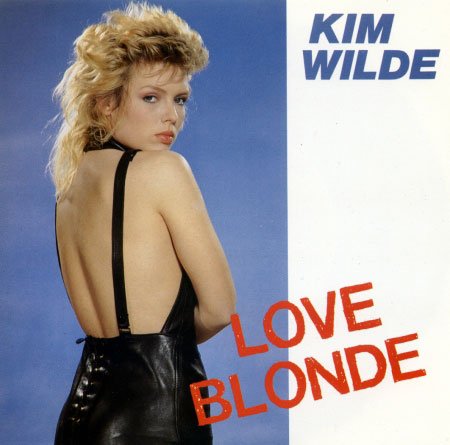 There were two singles from Catch As Catch Can and both found Wilde pushing her sound into new areas. The first was "Love Blonde," a pop confection that bypassed moody new wave sounds and themes for a jazzy 1950's-style melody (think "Stray Cat Strut" by way of Peggy Lee's "Fever") and a tongue-in-cheek lyric that sends up the image of the dumb blonde. It's a playful, frothy little tune that is the polar opposite of past singles like "View From A Bridge" and "Child Come Away." It scored just outside the top-20 chart and deserved better.
 The second single failed to reach such heights: "Dancing In The Dark" in a bubblegum synth-dance ditty forced on Wilde by the label. It's competent but kind of dull, the kind of anonymous single that anyone could have recorded. The one really interesting thing about it is its sound - though almost entirely electronic, it foregoes any new-wave affectations in favor of a pure dance-minded electronica that falls somewhere between Hi-NRG and Italo-disco. It stalled outside the top-50 area of the pop charts but it interestingly prefigures the dance fare she'd be scoring with a few years later.
 The rest of the album harkens back to the kind of material on Wilde's first two albums. For starters, there are story songs with a dark edge: "House Of Salome" is a fable-style tale of a man in the grip of an all-consuming love and "Sing It Out For Love" is a tearjerker about the disillusion felt by a touring female musician whose life is a series of hole-in-the-wall bars. There's also some straightforward new wave fare with a sci-fi tinge: "Dream Sequence" in a solid experimental track that allows brother Ricky Wilde to stretch out with his synthesizers and "Shoot To Disable" uses horror-movie electronica to underscore its ominous breakup-as-a-gunfight lyrical metaphor.
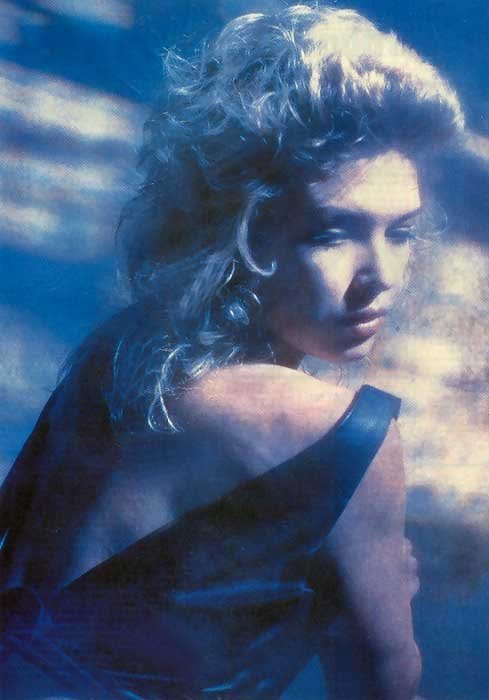 Catch As Catch Can isn't as album-minded as past ventures - the singles don't really cohere with the album tracks - but the synthy production and Wilde's vocals keep it entertaining. It's the kind of album that might not grab the new wave fan on first listen but it has some deep-album tracks that dig into the memory with repeated listens: for instance, "Stay Awhile" and "Can You Hear It" are nicely-layered ballads that grow in appeal with additional spins. It's also worth nothing that both tracks show Wilde and her brother-dad writing/production team drifting away from new wave. Wilde's future would lie in a more conventional forms of dance-pop and balladry and this album captures the turning point where that was obviously sinking in for her and her team.
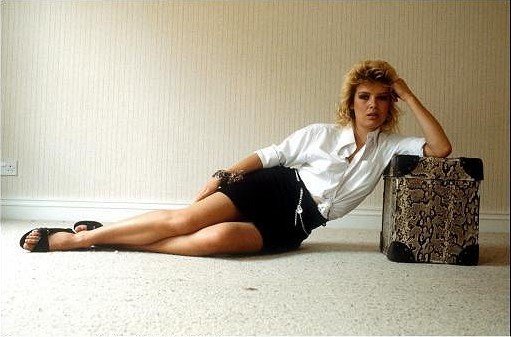 (CD Notes: this has been reissued by Cherry Pop and its another strong entry in their Kim Wilde reissue series. The booklet offers an essay, lyrics and annotations by Kim and Marty and it's a worthwhile read. Better yet, the bonus tracks include two additional versions each for "Dancing In The Dark" and "Love Blonde" plus a fun b-side called "Back Street Driver" that crossbreeds new wave and rock in an OTT style.)