

COME AND GET IT - THE BEST OF APPLE RECORDS: The Best Mistake The Beatles Ever Made

Apple Records was essentially doomed from its inception. Founded by the Beatles with the dream of being a humane answer to the major labels, it never really took flight for a number of reasons. For starters, it was an arm of a major label instead of its independent operation. Also, the Beatles were less than two years shy of splitting up when they founded it in 1968. It was also run in a laissez faire-style with no singular force to drive it, which ensured the label would never capitalize on the talent they acquired despite a decent track record of hit singles. It ultimately ended up being a way for the ex-Beatles to distribute their solo albums until it closed its doors in the mid-1970's.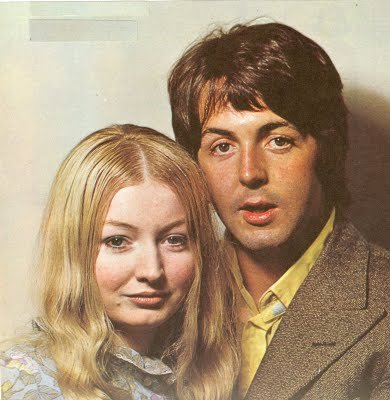 However, Apple left behind a surprisingly strong musical legacy. It was at its best in its first few years, particularly when Paul McCartney and George Harrison were doing a lot of production work for the signings they favored, but the label released interesting music throughout its short life, including some surprising forays into non-pop genres. Their original run of albums were reissued last year and a sampler, Come And Get It: The Best Of Apple Records, was also issued to allow modern listeners a reasonably priced chance at sampling the label's diverse wares.The end resu
 lt is a winner that offers consistently strong material in a variety of musical hues. Power-pop legends Badfinger appear three times here: the compilation's killer title track and the sublime ballad "Day By Day" pop up as well as "Maybe Tomorrow," a gorgeous, string-laden Tony Visconti production recorded under the group's original name, the Iveys. A pre-soft rock James Taylor chimes in with the mellow yet moody "Carolina In My Mind" and Billy Preston serves up two slabs of rocked-up gospel in "That's The Way God Planned It" and a killer rave-up of Harrison's "My Sweet Lord." English folkie Mary Hopkins also offers a one-two punch of the Russian folk tune "Those Were The Days" and the McCartney-penned "Goodbye."
 However, the real surprises here come from lesser-known artists. There are two tracks from old Beatles pal Jackie Lomax, the best being a killer rocker entitled "Sour Milk Sea." This Harrison-penned tune features all the Beatles playing in the background except for John - and Eric Clapton chimes in on lead guitar! Elsewhere, Harrison teams with Phil Spector for the production chores on Ronnie Spector's "Try Some, Buy Some," another Harrison-penned tune with a majestic, wall-of-sound arrangement (Harrison would later re-record it for his solo work using the same backing track). Another great one-off is "Sweet Music" by Lon & Derrek Van Eaton, a slow-burner that essentially represents a meeting point between power-pop and early 1970's soft rock.Even the novelty f
 are here holds up to repeated spins. This is the area of the compilation where John Lennon's influence is felt. He picked up Brute Force's "King Of Fuh," a one-joke tune that is thankfully built on a funny joke and further benefits from an unexpectedly lovely arrangement that includes a string section added by Harrison. Lennon was also responsible for "God Save Oz" by Bill Elliott and the Elastic Oz Band, an ad-hoc ensemble that Lennon put together to raise funds for an underground paper's legal defense. Lennon was also responsible for Apple's release of Hot Chocolate's acoustic-reggae redux of "Give Peace A Chance," the first waxing for a band that would become big pop stars in the U.K. during the 1970's.
 It's also worth noting that there is a small but noteworthy percentage on non-pop fare that reflects the eclectic tastes of the Beatles. For example, the Sundown Playboys' "Saturday Nite Special" is genuine zydeco music from a real New Orleans ensemble and McCartney also chimes in with a fun instrumental in the old-timey "Thingumybob," a t.v. theme that he wrote and had recorded by the Black Dyke Mills Brass Band. However, the big surprise here is "Govinda," a recording of a Hare Krishna hymn performed by the members of the Radha Krishna Temple. You don't have to understand the language to be wowed by the hypnotic melody and earnest performance of this gem, not to mention the subtle yet lovely production from Harrison.
 Finally, there is a wild pop song, one of the last one-off Apple singles, that deserves special mention here at Schlockmania, "We're On Our Way" by Chris Hodges. Don't let the generic title fool you: this forgotten oddball classic blends a UFO awareness theme with "my girl is a sexy mama" lust-ode lyrics to create an unforgettably quirky slice of glam rock. To make things better, it's got a driving kitchen-sink arrangement that throws in strings, horns, sitar, distorted guitar leads, choral backing vocals and even some congas. It's a wonderful reminder of how wild and surprising pop music could be in the pre-Top 40 Radio era.All in all, Come And Get It: The Best Of Apple Records is a great value for 1960's/1970's pop omnivores. To further sweeten the deal, there is a strong set of liner notes with detailed info for each track and the collection sounds great because the mastering was done by the same team who handled the well-reviewed Beatles remasters of 2009. If you can't get enough of vintage pop's esoteric corners, Come And Get It delivers the right blend of hits, lost classics and beguiling ephemera - and it proves that if the Beatles weren't suited for the business side of running a label, they still had the pop smarts necessary to choose the right music.