

THE BIG DOLL HOUSE: Liberating The Babes Behind Bars Genre

As any aficionado of the women-in-prison genre knows, The Big Doll House is one of the landmark entries in the genre. It was a massive hit for its time - $3 million domestic profit on a $150,000 investment, plus millions more in profits around the world - and sparked an international resurgence of women-in-prison films that continued into the 1980's. It achieved these levels of success and influence because it cleverly reinvented the genre for the 1970's, adding a fresh style and more interesting themes beneath the expected cheap thrills.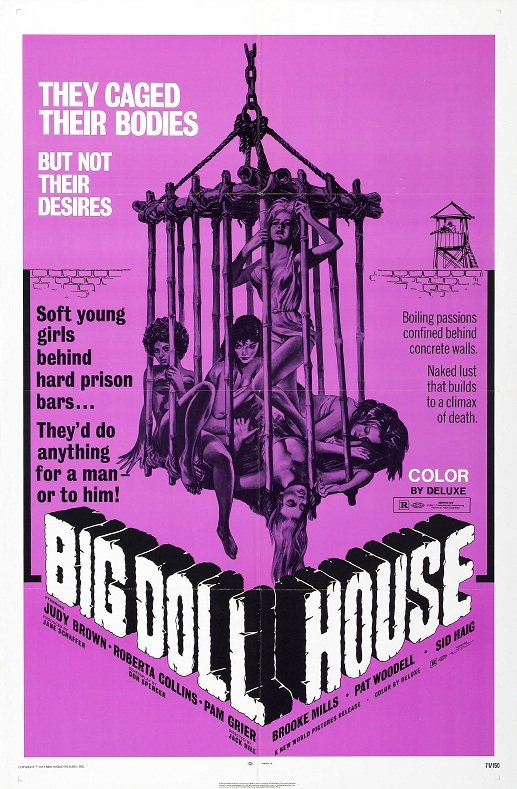 But first, a quick plot recap: Collier (Judy Brown) finds herself in a Filipino prison when she angers the wrong high-powered man. Her new setting involves hard labor, an apparently naive warden (Christiane Schmidtmer) and a nasty, butch head guard named Lucian (Kathryn Loder). Collier also has to contend with the social dynamic amongst her fellow prisoners: Alcott (Roberta Collins) is a tough individualist, Bodine (Pat Woodell) is a revolutionary with a strong sense of justice and Grear (Pam Grier) is an angry lesbian who wants to make Collier her new flunky.Collier learns the ropes quickly - she doesn't really have much choice otherwise - but discovers that there is a worse fate than growing old in this jungle hellhole: it seems there is a hooded sadist who enjoys watching the inmates get tortured and the sadistic Lucian is all too happy to put on torture shows for that person's benefit. Thus, our heroine gladly throws in her lot with Alcott and Bodine when
 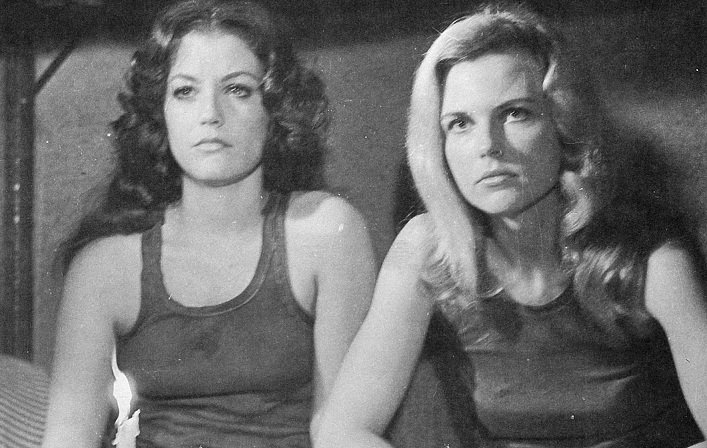 they team up with Grear to bust out of the place. They hatch a plan that involves taking advantage of Harry (Sid Haig), a lascivious businessman who handles the prison's concessions operation, and take big risks to make their plan happen.The end result is a little rough around the edges but The Big Doll House remains an engaging piece of exploitation flick history. Don Spencer's script (which Hill did a lot of uncredited rewriting on) sticks close to women-in-prison film archetypes but weaves in a few new touches: there is a dash of revolutionary politics, mainly through the character of
 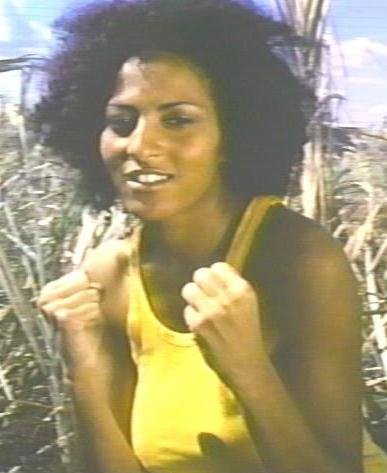 Bodine, and the women have a strength and toughness that reflects 1970's feminism. Of course, the latter element is the drive-in variety of feminism that New World Pictures would become famous for, best expressed in a moment where Alcott corners and dominates a peeping tom, pulling a knife as she tells him "Get it up or I cut it off!"The Big Doll House also boasts an engaging cast of b-movie heroines. Brown does solid work as "new fish" audience identification figure but the show is stolen by Collins' strong turn as the righteous de-facto leader of the breakout and Grier's smoldering work as Grear (which includes a great monologue about her anger towards men). On the villain side, Loder gives an entertainingly weird
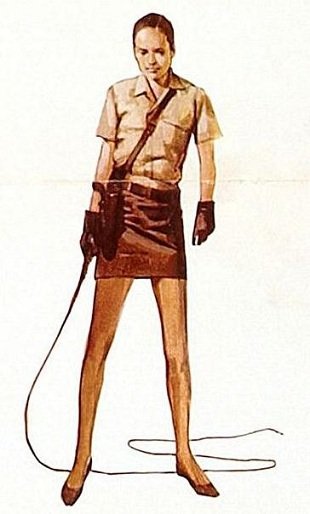
  perfomance as the butch main guard, coming off like some unholy cross between Barbara Steele and 1975-era Patti Smith. Haig is also memorable as the amoral yet oddly charming prison salesman - he shows the dark wit and the shared charisma with Grier that would pay off in their subsequent pairings in Jack Hill films.However, the element that really puts The Big Doll House across the plate is Jack Hill's direction. Part of why this film works so well is that it's much more stylish than the other women-in-prison films made around this time: Hill improves the look of the oft-threadbare
  sets with artful, shadowy lighting and transforms Lucian's torture-room sessions into psychedelic comic-book moments, complete with delirious wipes that connect its overheated tableaus. He gets performances that hit the right blend of heart and pulpiness to make the material work and brings a muscular verve to the action stuff (the jailbreak plays like a low budget version of The Dirty Dozen's finale and a Collins vs. Grier mudfight is the stuff cult-flick fanboy dreams are made of).
 In short, The Big Doll House remains a classic for multiple reasons: not only did it spark the big women-in-prison film boom, it also laid the bedrock for New World Pictures' reputation as the class act amongst exploitation flick studios and proved that Jack Hill had the skills to become what Quentin Tarantino would describe as "the Howard Hawks of exploitation." Hill would go on to make better films than The Big Doll House but this is where he staked out the territory that made those films possible - and women-in-prison film fans no doubt thank him for it.