

AND PARTY EVERY DAY - THE INSIDE STORY OF CASABLANCA RECORDS: Life Inside the Mirrorball

Casablanca Records: the name means many things to many people. For some, it was the standard-bearer of disco music and the last gasp of ballyhoo in the record biz. For others, it was the triumph of the vulgarians and a textbook example of show business excess run amok. The latter definition sticks more often, thanks to the widely read portrait of the label and its founder, Neal Bogart, in Fredric Dannen's record-label expose Hit Men. Thankfully for Casablanca fans, And Party Every Day has risen to support the former definition... and it happens to be a very entertaining read.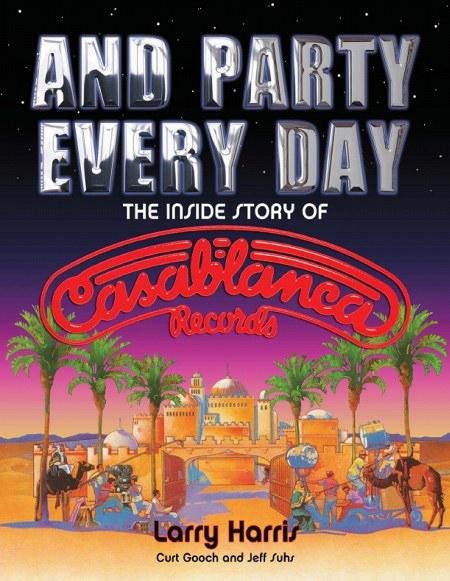 This fast-moving chronicle was penned by Larry Harris, Neil Bogart's right-hand man during the Casablanca days (and also his cousin). As a result, it has a real insider's point-of-view as it walks us through the history of this infamous label, starting with Harris's days as a promo man for Bogart during his stint as the head of Buddah Records. When Bogart decides to be his own man, they head to Los Angeles, where Casablanca begins as a subsidiary of Warner Brothers Records. Bogart soon realizes that WB sees his upstart label as little more than a tax write-off so he disentangles himself from the parent company and goes independent.... And this is where the real fun begins. Harris keeps the pace rolling at breakneck speed as Bogart deftly sidesteps his creditors and spends money he doesn't have while building Kiss up to superstar status and discovering the likes of Parliament and the Village People. There are narrow escapes from certain doom, like an attempt to sell a pricey double-album of audio highlights from The Tonight Show that almost cripples the label. There are also eye-opening tales of personal excess, including depictions of how pot, coke and quaaludes were consumed like candy by Harris and everyone else who worked at the label.Suspense is maintained t
 hroughout the book because Harris consistently points out how the bottom could have dropped out at any moment during the label's meteoric rise. He takes the reader inside the complex financial shenanigans used to keep the label afloat as they spent ostentatiously to create the illusion of wealth (example: Bogart had to use a line of credit at a Vegas casino to make one month's payroll). Harris also shows how a relationship with an editor at Billboard was used as leverage to keep their product high in the charts and how their record-shipping practices with distributors could give the illusion of platinum-level sales.Additional fun is provided by detailed accounts of Casablanca acts, both successful and forgotten. Hard rock/AOR buffs in particular will be happy by a decent amount of pages spent on the travails of cult-fave act Angel, a gifted act who nonetheless suffered due to having all the wrong breaks. Harris's writing, assisted by Curt Gooch and Jeff Suhs, has a crisp, easy-flowing style that balances facts and gossip in an engaging manner that makes the pages turn quickly.Harris also dishes dirt in an entertaining way, including a funny story about how Merv Griffin stole the idea for the hit t.v. show Dance Fever from them AND produced it using a set he conned the Casablanca folks into building for a promo appearance on his talk show. Additional juicy stories are sprinkled throughout the page count, covering everyone from Curtis Mayfield to Rodney Dangerfield.However, the most important thing Harris does in And Party Every Day is rehabilitate the popular image of Neil Bo
 gart. He's honest about Bogart's failings - particularly, how his belief in the label's ballyhoo ultimately brought it all down during its final days - but he also makes an excellent case for Bogart's salesmanship, commercial instincts and willingness to take gambles on new talent and new employees. Bogart still comes off as a bit of a rogue... but he's the good kind of rogue, a talented and likeable guy who liked to help other fellow strivers and someone who would have been lots of fun to work with.In summation, And Party Every Day is a great from-the-horse's-mouth tale of one of schlock music's finest record labels as well as a fascinating glimpse into the last days of the record business's "Wild West" era. If only modern popular music was as fun as this book...Promo ad for the book that includes a killer animated commercial for the Parliament album Funkentelechy Vs. The Placebo Syndrome: