

THOR: The God Of Summer Multiplex Mediocrity
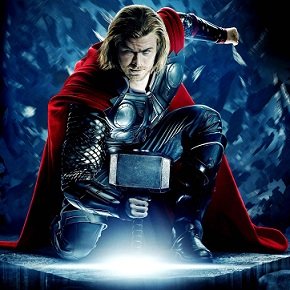
Adapting a comic book to the screen is not an enviable task. It can go wrong in any number of ways, from tone to budget to the gulf between what works in a comic and what works on screen. Even the ones that catch on with the mass audience can fall prey to the problems of the comic-to-film process. For example, consider Thor - it's another hit for Marvel and has done a successful job of packing in viewers at the multiplex. Unfortunately, it's also a schizoid muddle that shows off the pitfalls of the modern comic book movie. The problems with Thor begin with the script, which feels like two different stories battling each other for supremacy. After a teaser of the mortal world, the first story gets going in Asgard - with Thor (Chris Hemsworth), the headstrong son of Odin (Anthony Hopkins), as our main character. After snow demons attack Asgard during a ceremony in which he will be crowned the new king, Thor sneaks to their land against Odin's wishes to confront them. When that plan goes awry, Odin banishes Thor to the planet Earth without any powers to teach him humility.
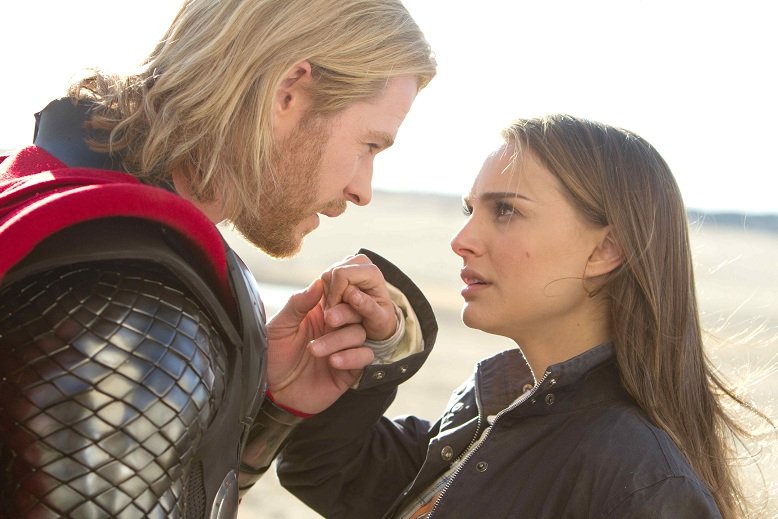
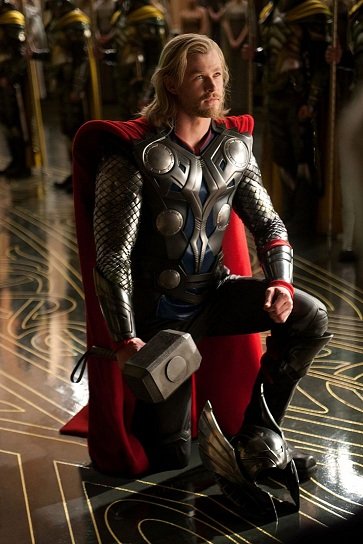 Thus begins the second story, a fish-out-of-water tale in which the displaced Thor discovers that humility and finds love, to boot - with comely scientist (Natalie Portman) - as he tries to prove himself worthy of the powers locked in his mighty hammer, Mjollnir. The story rolls on above him in Asgard as Odin is incapacitated and Loki, brother of Thor, is revealed to have a tragic secret that has driven him to betray Asgard. Thus, it all becomes a battle against the celestial clock to see if Thor can earn back his heroic status before Loki destroys the kingdom that is rightly his.The end result plays like a typical major studio event-movie product. It moves fast, there's lots of CGI-enhanced action and dumb gags... and you'll forget most of it when the end credits roll. The script doesn't hew that closely to the original Marvel Comics origin of Thor and instead decides to change it into the superhero version of the "immature boy-child learns how to be a man" trend that is so popular in modern Hollywood comedies.
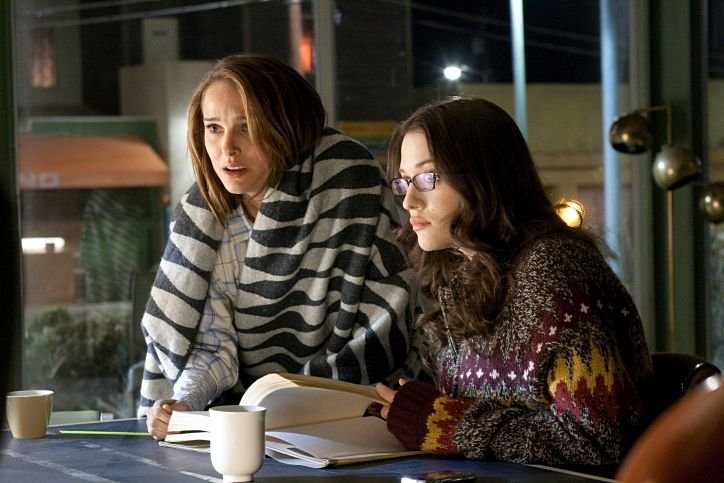 That aspect of the film might explain all the awkward humor in the Earth-set scenes, which feature cringe-inducing elements like Stellan Skarsgard getting drunk with Thor and an incredibly annoying generic-ditz supporting character played by Kat Dennings (a sample of her wit: she insistently mispronounces Mjollnir as "myeh-myeh" - hilarious).That said, even if you can tune out the goofy humor, what's left isn't that compelling. The CGI-laced setpieces often look videogames - particularly a scene where Thor and his cronies are chased by a big ice-beast - and the second half of the film lacks any kind of huge
  Superman II-style "hero and villain" brawl. Instead, you have to settle for Thor and Loki briefly duking it out a disco-looking multicolored bridge near a CGI representation of Asgard... smackdown of the Gods, it ain't. It's painfully lacking in scope.To add further insult to injury, the powers-that-be at Marvel have forced the filmmakers to frontload the storyline with material designed to set up their eventual Avengers movie. This comes in the form of S.H.I.E.L.D., a shadowy government agency is shoehorned into the second act as a complication to keep Thor away from Mjollnir. Marvel also forced
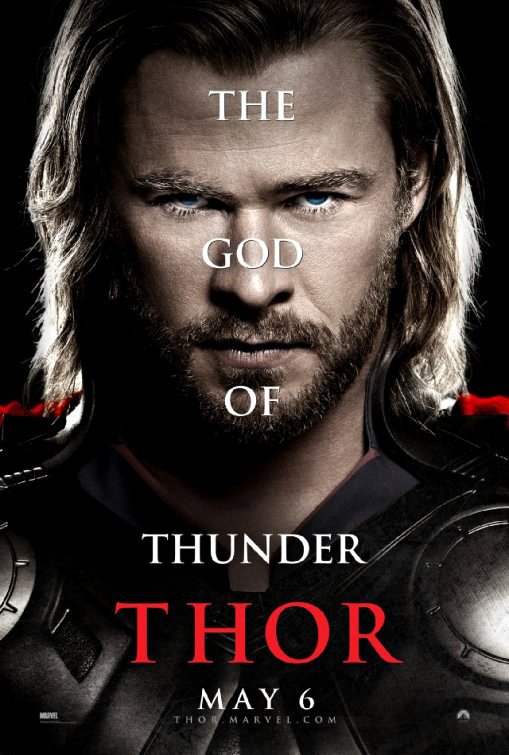
  S.H.I.E.L.D. into Iron Man 2 - they act as more of a deus ex machina in that film - and it's just as awkward here.These problems could be coped with if the characters were well-defined and fun to watch but Thor offers a pretty dull lot. Most of the Asgard-based characters are interchangeable, with all of them doing the same sub-Shakespearean schtick, and Hopkins sleepwalks through his role as Odin. Hemsworth makes a convincing action hero but his arc as Thor is ill-defined: he's too much of a blowhard at the beginning and we never get a sense of what
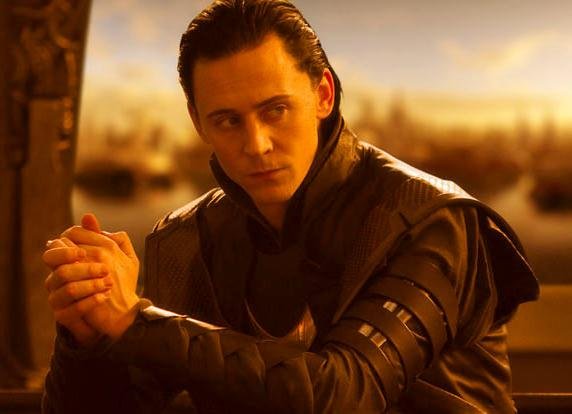
  turns him around to being a nice guy. Portman is competent but she's not convincing for a second as a scientist, probably because the role is so generically written anyone could have played it. It's also worth noting that Tom Hiddleston is the most dour, cheerless "God of Mischief" you'll ever see as Loki - but in fairness to him, his role is written in a very colorless fashion.The most surprising element of Thor is that it was directed by Kenneth Branagh. Sadly, he doesn't seem to bring anything special to the table here. The Asgard scenes lack the heft of the Shakespearean work he's known for and the rest of it just rushes from setpiece to setpiece without the kind of inspiration he brought to genre fare in Dead Again. His idea of stylization in Thor is to make excessive use of Dutch angles. Like so many other elements in this film, the direction could have been handled by anyone because it's so bland.Simply put, Thor is the kind of blockbuster fare that is destined to age poorly because it's so utterly mediocre. Even the people who enjoyed it will probably forget it after a month or so. It's not an embarrassing film but it ultimately ends up feeling like an epic prologue to set up the character of Thor for his eventual appearance in The Avengers - and hopefully Hemsworth will be able to flex his action hero chops more there. As for Thor, filmgoers deserved a lot more inspiration and a lot less corporate synergy.