

SHOCK VALUE: A Different Passage Into The New Horror

Four decades on, there doesn't seem to be anything left to say about the wave of New Horror films ushered in by Night Of The Living Dead. The films of George Romero, Wes Craven, John Carpenter and any other genre auteur who came to prominence in the 1970's have been covered in exhaustive detail several times over since they made their original impact. It's tough to believe that anything new could be gleaned from a study of this era. Thus, it's a pleasant surprise how freshly Shock Value reads. Jason Zinoman covers the same material many a horror scribe has covered before but he does so from a different vantage point by mixing in fresh journalism alongside the expected film criticism. He has interviewed dozens of people in the lives of the filmmakers for Shock Value and the stories he uncovers serve a dual purpose: not only do these tales add to the mythology of these filmmakers, they also inspire interesting new critical insights about their work.Zinoman breaks with horror criticism orthodoxy by reaching back before Night Of The Living Dead to begin his tale with a thumbnail sketch of the production for Rosemary's Baby. William Castle picked up the Ira Levin source novel with the intention of earning a place in "respectable" Hollywood circles by
 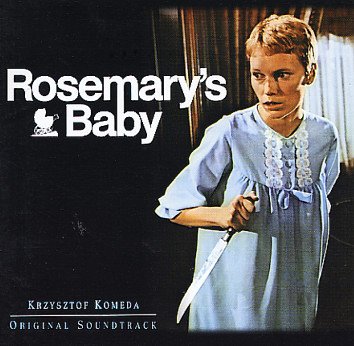 adapting it but Paramount Pictures production head Robert Evans handed the reins to Roman Polanski - as Zinoman frame it, this is the moment that "old horror" that Castle represented made way for the new breed.From there, Shock Value alternates back and forth between two types of chapter. Most of the chapters are film-specific, delving into a particular New Horror classic, a selection that mixes low-budget guttersnipes like The Texas Chainsaw Massacre and Last House On The Left with studio-funded (but no less assaultive) items like The Exorcist and Alien.
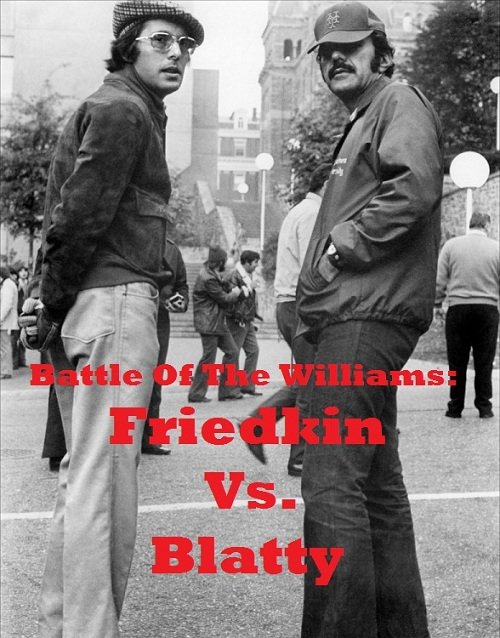
 The lives and psychologies of the filmmakers are explored behind the scenes, with Zinoman accentuating a trend of compatible but different filmmakers combining skills to create a singular work. For instance, The Exorcist rises up from the gulf between William Peter Blatty's faith and William Friedkin's cynical realism and the combination of Sean Cunningham's exploitation-film sensibilities and Wes Craven's willingness to go to extremes for social commentary is revealed to be what makes Last House On The Left such a provocative experience.
 Along the way, the stories of the filmmakers' lives become as compelling as the stories behind the films. Zinoman does a noble thing for horror fans by exploring the importance of Dan O'Bannon. If you don't know the name, he acted and starred in Dark Star, wrote the original script for Alien with Ronald Shusett and would write and direct the fan favorite Return Of The Living Dead. He is presented as a difficult but gifted figure who never got his due despite his work with talented directors - and his sometimes comic, often tragic story is riveting.
 The other type of chapter is done in a critical style, exploring how New Horror filmmakers made a break with previous norms of the genre. For instance, there's a chapter that discusses how Alfred Hitchcock and his film Psycho actually were not influences on the new breed of horror director as well as a chapter about how the new directors brought out a new vigor in the horror genre by replacing its traditional use of an onscreen monster with subtler kinds of terror (like the blurring of reality or Manson-inspired "human monsters."). Quotes from the "new horror" filmmakers are used to support these arguments and these chapters make a pretty convincing case for Zinoman's assertions.
 The worst that can be said about it is that there are handful of minor factual mistakes regarding films (most notably, a key shocking moment from Last House On The Left is described incorrectly). It's a shame the editing of the book wasn't a little more thorough but the number of moments like these are small in number and easy to overlook in light of all the thought-provoking material this book serves up.There is plenty more that could be said about the book (example: how Zinoman pinpoints H.P. Lovecraft as a crucial, oft-overlooked influence on both Carpenter and O'Bannon) but perhaps it is best for readers to discover its many surprises for themselves. Simply put, Shock Value finds a new way into vintage material by encouraging the reader to look at the architects of New Horror as people instead of icons. That's an impressive achievement for a book that covers such familiar critical terrain - and it makes Shock Value a must-read for New Horror fans.