

SCREAM: You Can Have Your Cake And Slash It, Too

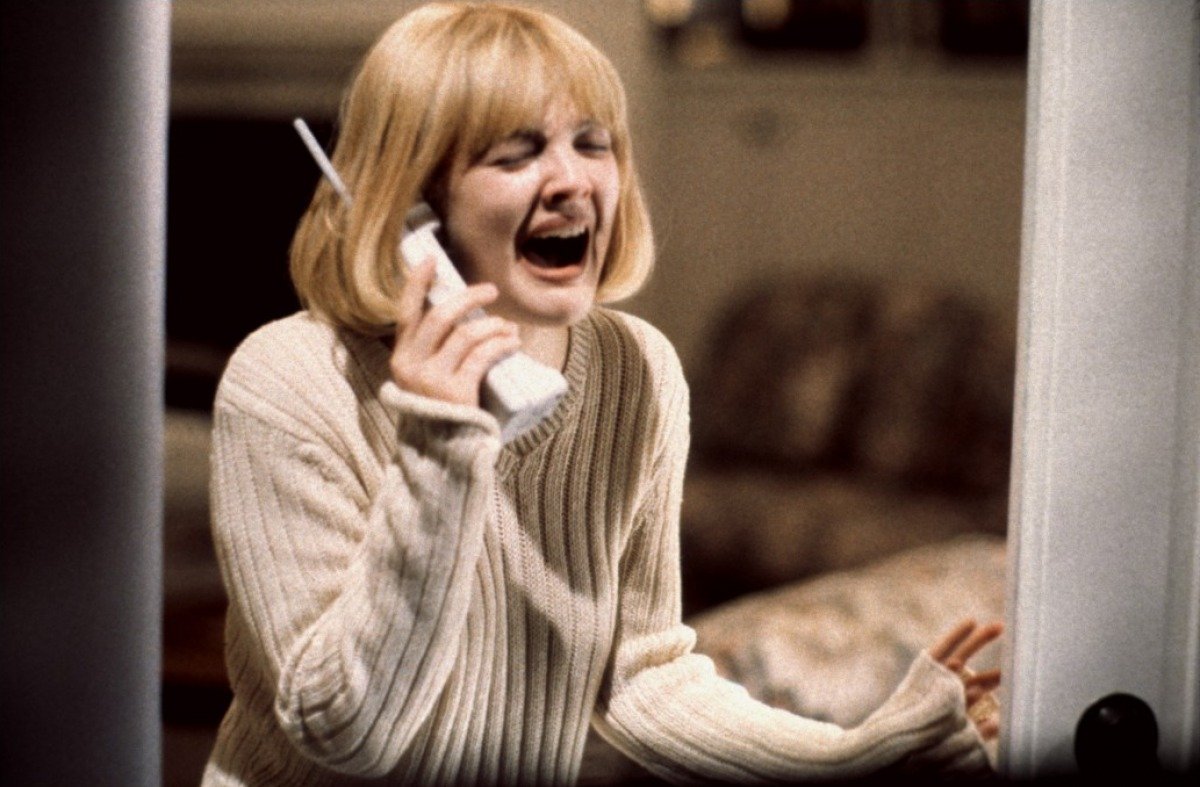
Sometimes, a film manages to reach classic status while being extremely divisive in the fan community. Scream is such a film. At a time when the horror genre was commercially moribund, this film gave it an adrenalin shot to the heart and made it relevant once more to the moviegoing public. However, it angered hardcore horror fans with its multiplex-friendly gloss and use of genre-skewering humor. Its success also ushered in a glut of lesser imitators that limited opportunities for horror filmmakers wanting to do anything different - and that includes 2 weak Scream sequels.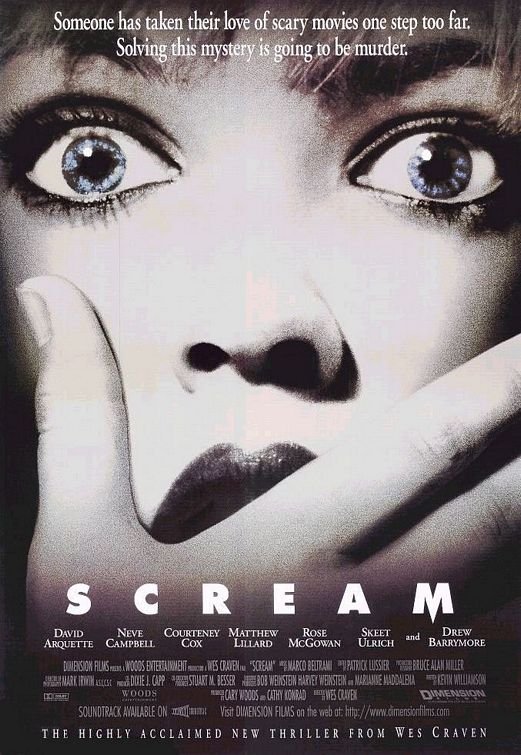 The big hook in Scream is Kevin Williamson's inventive script, which applies a savvy Hollywood treatment to horror's simplest subgenre. The virtuoso opening sequence depicts one Casey Becker (Drew Barrymore) - who looks like she'll be the main character - being bedeviled via phone by an stalker who threatens to kill her and her boyfriend if she fails a quiz on horror movies. When she fails, she is brutally murdered while her unwitting parents enter the house (a clever nod to a similar circumstance in Craven's own Last House On The Left). Not only does this start the film off with a nice jolt, it also lets the audience know that the slasher film's old rules will be broken.
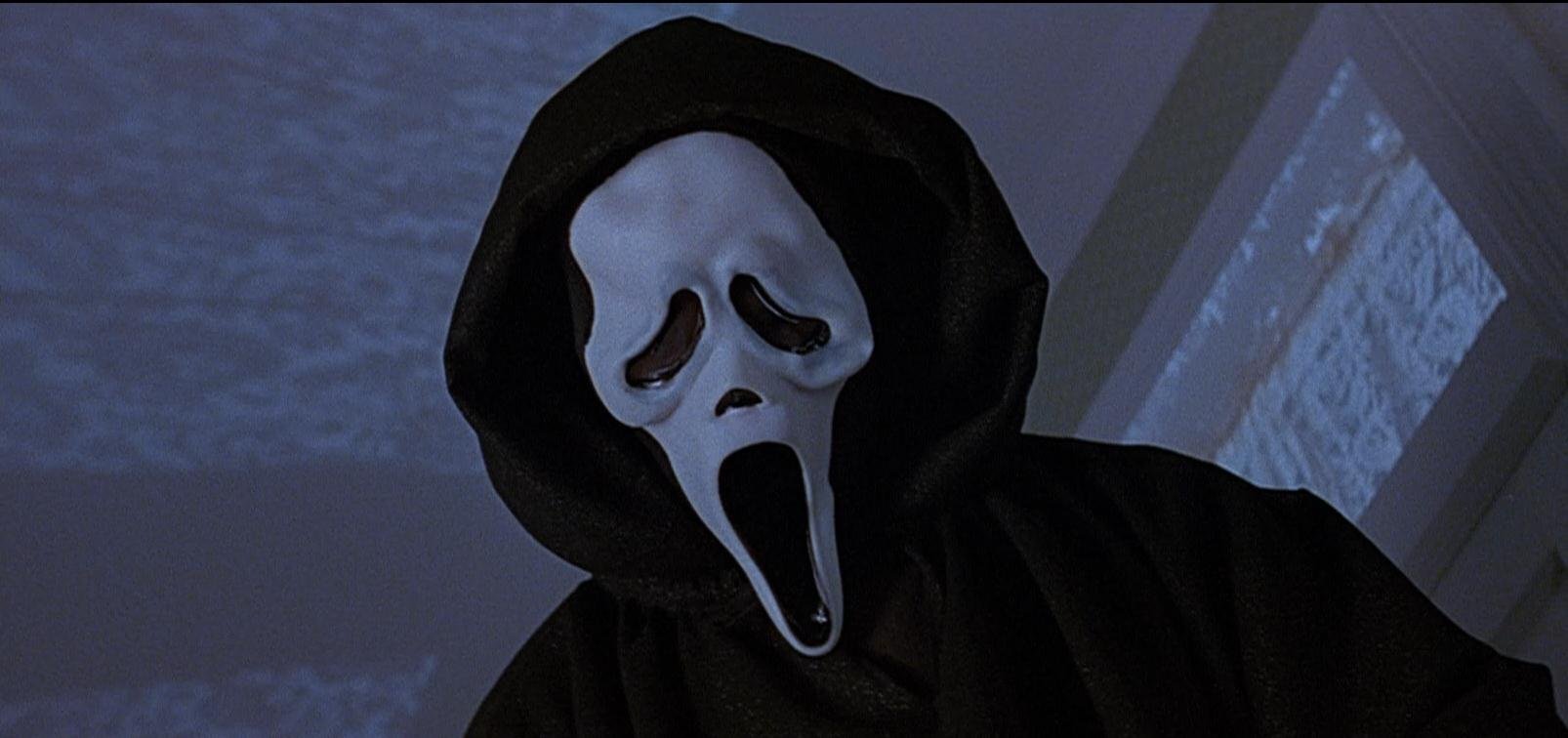 The double-murder shocks the small suburban town of Woodsboro, which soons finds itself beset by a pack of reporters that includes a nasty tabloid type named Gale Weathers (Courteney Cox). The killer soon reappears and focuses his attentions on Sidney Prescott (Neve Campbell), a popular but subdued teen still dealing with the traumatic, mysterious murder of her mother. He begins to taunt Sidney from the sidelines as the local cops try to find the killer. The killer finally makes his homicidal play for
  her during a house party that becomes a bloodbath.The end result holds up despite the many imitations that followed thanks to its clever take on tired material. Williamson's script takes the slasher genre - which had slipped into a coma somewhere between the mid and late 1980's - and reinvents it by holding up a funhouse mirror to its clichés and rules. It pumps up the proceedings with snappy, John Hughes-ish dialogue and is also inventive in how it references its influences: the opening scene pays tribute to When A Stranger Calls while the final reveal of the killer's identity tips
  its hat to Happy Birthday To Me. On the latter element, it's also worth noting that its one of the few modern slashers that actually has a satisfying "reveal" for its killer. In short, Williamson essentially does for the slasher film what Quentin Tarantino did for exploitation films: he opens up the subgenre's tropes with skillful writing as he subverts the audience's expectations.Better yet, Scream benefits from smart, economical direction by Wes Craven. He plays against the expectations of horror film style, using a lot of sunny exteriors and a bright,
  pastel color scheme that provides an ironic backdrop for the killer's mayhem. He understands the relationship between humor and horror and allows these elements to feed into each other, tricking the audience into breathing easy with a laugh before jolting them with a shock. Best of all, he's not afraid to get mean when the material requires it: the film opens and closes with extended setpieces that start on a playful note and gradually shift into brutality in a way that truly packs a punch.
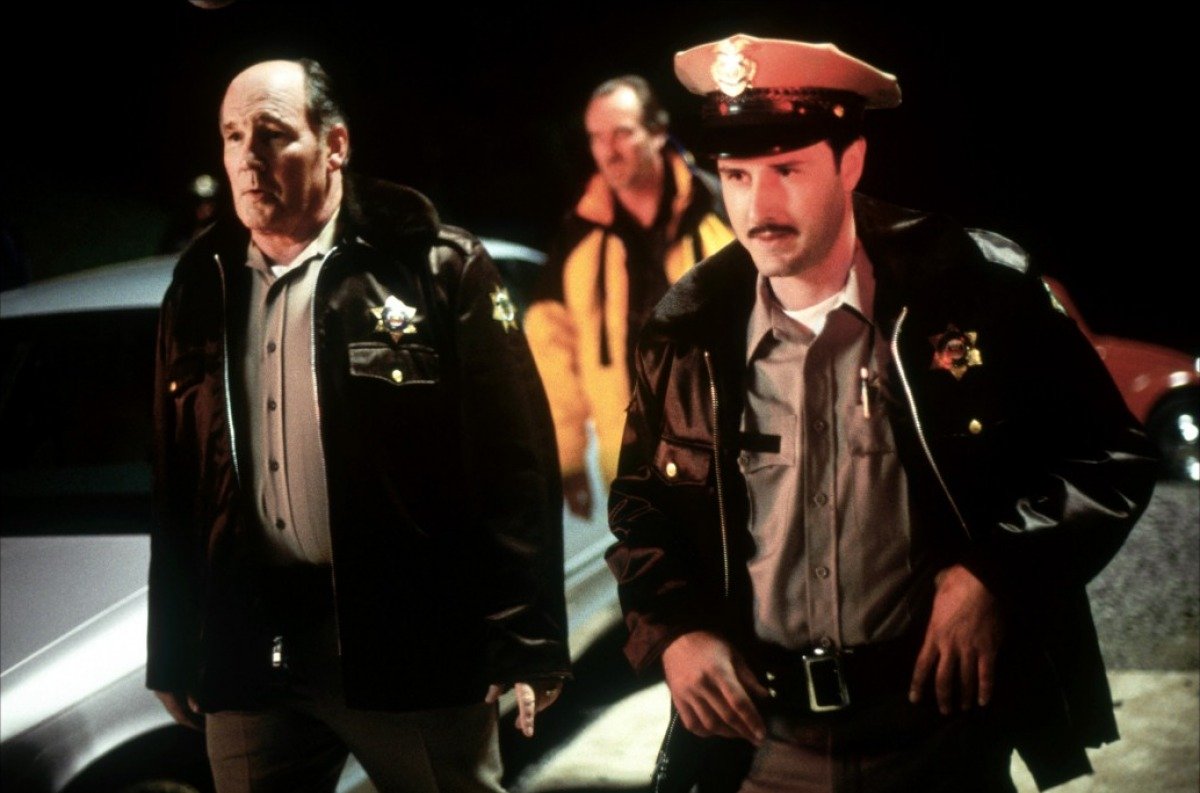
 Craven also gets strong performances from a cast that was mostly unknown to filmgoers at the time. Campbell has a limited range but makes the most of it, nailing down her pleasant but troubled characterization in a sympathetic manner. Cox gets a showier role and plays the film's resident bitch with style. Her venom is offset nicely by a comedic turn from David Arquette as Dewey, the well-meaning but goofy local deputy. Skeet Ulrich is better than you probably remember as Billy, Sidney's brooding beau, and Jamie Kennedy's slapstick turn as resident horror nerd Randy remains a nice feat of
  comedic showmanship. Elsewhere, newbies should keep an eye turned for cameos from Linda Blair and Craven himself, plus a delightful bit role by Henry Winkler as the school's weirdo principal.In short, Scream still works. It's pointless at this juncture to talk about the validity (or lack thereof) of introducing post-modern irony and self-reflexive humor to the horror genre. It happened and it's over and done with. Scream led the charge and, even if you don't like its style of horror, the film's craft and inventiveness deserve admiration. It's a good story told well - and that's always welcome, particularly in the horror genre.