

QUEEN - QUEEN II: First Steps On The Road To Platinum Bombast

While Queen was a strong debut album, it sounds positively genteel compared to what they would later do in terms of sonic grandeur. Queen II was the next logical step, an album that found the group really sinking their collective teeth into the possibilities of a recording studio circa 1974. The end result found the group realizing their potential for regal bombast on vinyl. The instrumental intro to the album, "Procession," tells you all you need to know as Brian May uses the magic of overdubbing to transform his guitar into an electric string section. The resulting track is lavish and stirring, setting the tone nicely for what follows. Like many ambitious albums from the 1970's, Queen II is divided into two distinct sides - The White Side and the Black Side. The songs on the White Side was mostly written by guitarist Brian May and they represent the sound of Queen at its most serious and dramatic. The lyrics stay in the fantasy realm but they have a serious tone that is given a strong emotional heft by the melodies. This set of qualities is best illustrated in "Father To Son," a tale of a cross-generational message with an epic sing-along coda, and the lilting balladry of "White Queen (As It Began)," which has a great "weeping" slide guitar intro and some powerful hard-rock instrumental breaks. Drummer Roger Taylor also kicks in one of his patented tough rockers via "Loser In The End," which expends much hard-riffed bluster to pump a plea for parental-child understanding(!).
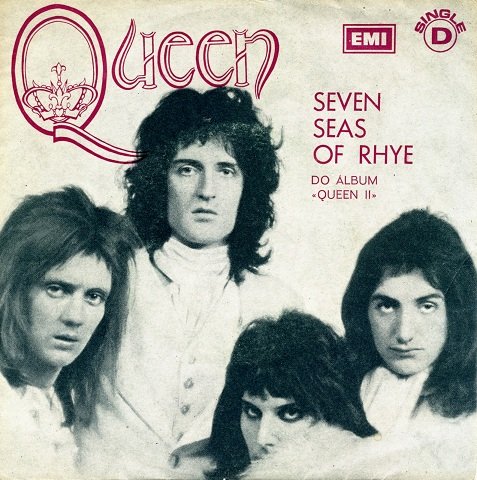 The Black Side is Freddie Mercury's domain as a songwriter and it pushes the artsy, bombastic side of the band to its limits. He's as attentive to texture as May but his style is more flamboyant. Highlights on this side include Tolkien-rocking juggernaut "Ogre Battle," a fantasy-themed bit of heaviness that uses at atmospheric instrumental break to depict the titular event, and "Seven Seas Of Rhye," a galloping rocker that pushes the castrato-high vocal harmonies and guitar overdubs into the red to create an exhilarating burst of pomp-rock.That said, the best moment on the Mercury side - and perhaps the entire album - is "The March Of The Black Queen," a symphonic mini-suite that has enough hooks and melodic ideas for at least a
  side's worth of songs. It shifts moods and tempos abruptly yet it manages to make this work in its own favor, creating a kind of rollercoaster effect that remains fresh no matter how often you hear it.Best of all, "The March Of The Black Queen" gives Mercury a great vehicle to give his multiple vocal styles a workout: everything from a plaintive choirboy tone to a lusty hard-rock voice is deployed here. The band matches him step for step, using an expressive but carefully controlled mixture of hard-rock and prog dynamics to give the production a third dimension. The end result might not have the cohesive storyline other Queen epics have but it represents some of their most bracing work on record.
 This review would be remiss if it did not also mention Queen's crucial partner in crime on this album: producer Roy Thomas Baker. Like the band itself, Baker goes way over the top here, layering overdub atop overdub to create a sound as deep as it is wide. That said, he never loses sight of when to bring a key musical detail into sharp focus: the best example of this approach is "The Fairy Feller's Master Stroke," a pomp romp that offers a barrage of delightful textures for the listener to groove on - lightning fast harpsichord lines, vocal harmonies soaring towards the stratosphere and those trademark May harmonized guitar riffs weaving their way through every passage to create a support for this grand sonic structure. You can continue to find new details in this tapestry long after the first listen - and the same can be said for Queen II itself.In summation: if Queen represent a group of future superstars offering a declaration of intent then Queen II represents that same group finding the proper studio voice to use in making that declaration. Queen's style and songwriting would soon become more focused and direct but they'd never again go as far with the baroque element of their sound as they do here. It's packed with layers and details that make it perfect headphone listening and the melodies ensure it will remain melodically strong on all those return visits.