

POLICE WOMAN - SEASON ONE: Beauty And The Badge

The 1970's was an important time for cop shows. As television pushed towards greater freedom in its portrayal of adult content, the police drama achieved greater latitude in how it portrayed the extremes of the law enforcement profession. Police Woman was a noteworthy landmark in this area: though some might dismiss it as a t.v.-friendly version of the cops-and-robbers movies that were so popular during this area, it's important to remember that this was the first successful prime-time drama to have a woman in its central role - and thus paved the way for femme-centric adventure shows like Wonder Woman, Charlie's Angels, etc.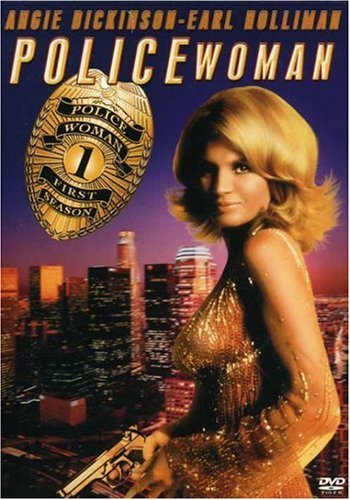 Police Woman had its roots in "The Gamble," an episode from the first season of the popular anthology drama Police Story. It starred Angie Dickinson as a cop who goes undercover to infiltrate a gambling operation and was popular enough that the producers quickly considered doing a regular cop series built around Dickinson.The next season, Police Woman premiered on the prime-time scene: Dickinson stars as Suzanne "Pepper" Anderson, a police sergeant who works as part of an investigation squad led up by Lieutenant Bill Crowley (Earl Holliman). Each episode presents Pepper working with Crowley and Detectives Royster (Charles Dierkop) and Styles (Ed Bernard) on a different investigations that require her to go undercover to gather information. Along the way, she copes with the life-threatening elements of the job as well as the more personal ones, like getting personally involved with victims and, occasionally, the suspects.
 Episodes of Police Woman break down into a couple of types. The first are what you might call "Pepper on a mission" stories. These focus on the mechanics of the undercover operation, with Pepper front and center. These are not as serious as the show's Police Story roots and often have a b-movie flavor to them that enhances the entertainment value: a great example is "Smack," an episode with Pepper going undercover at a high school to find pushers. It plays kind of like High School Confidential updated for the mid-1970's.The other type of episode is "social commentary" style that mixes the expected investigation but allows an important social issue of the day to take center stage. A good example of this style is "Bloody Nose," a memorable episode that finds Pepper getting involved in the troubles of a bickering couple only to find out things aren't entirely what they seem to be.
 Police Woman was an instant success during its first season. Its critics often dismissed it as the beginning of the "jiggle" show trend. That's not a fair criticism but there is an element of truth buried in it because the show isn't shy about capitalizing on Dickinson's camera-friendly charms: different undercover operations have her playing a prostitute, an exotic dancer, a prison inmate and any number of morally ambiguous female types that linger on the edges of the crime world. That said, season one does this with a knowing sense of humor: for example, "Smack" has Pepper posing as a high-school coach and her introductory scene has her leading a group of young coeds through smirk-inducingly eroticized stretching exercises.
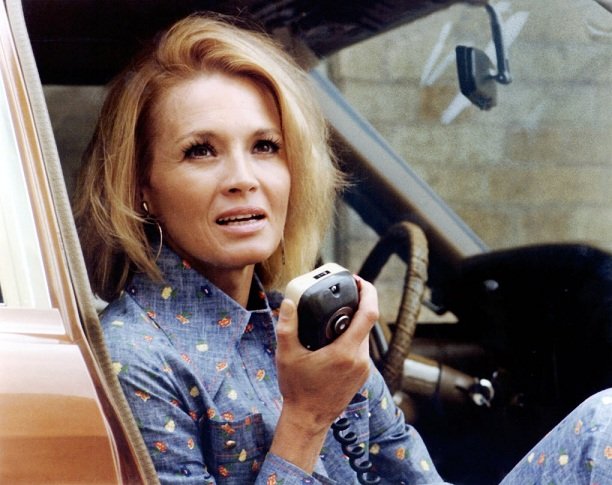
 It's also worth noting that the first season episodes never use the sexy-female-cop angle of the show to make a joke out of Dickinson. Indeed, she manages to radiate strength in these situations because she is an independent and self-possessed person. She's always portrayed as being smart, resourceful, brave and an equal partner to her fellow officers in the investigation team. This blend of attributes works because of the show's star. Dickinson is a stunner and can easily pull off being sexy without effort but it's her acting skills that really sell the role of Pepper Anderson. She has a natural ability to stay cool under pressure but is able to balance that with a warmth that gives the character humanity.
 The show also gives her a strong backup cast to work with: veteran t.v. actor Holliman is a lot of fun as the cheap but charming Crowley, who is as much friend as colleague (the show teases the audience with - but never clarifies - the issue of whether Pepper and Crowley are more than friends). Dierkop and Bernard - who both costarred with Dickinson in "The Gamble" - offer consistently professional backup, adding a sly sense of humor without lapsing into the kind of burlesque inherent in portraying vice cops.The final part of the appeal of Police Woman: Season One is the guest stars. To the b-list stars who made the guest star circuit on prime time t.v., a show like was a good "get" because it would allow for a nice showy role. For exampl
 e, William Shatner turns up in "Smack" with a memorable hambone-Shatner turn as a troubled chemistry teacher while "Blast" gives Robert Vaughn a swell role as a strip-bar owner with dreams of legit-society success and a tragic past.These shows also allowed said b-listers a welcome opportunity to play against type: highlights in this vein include Bob Crane playing a smarmy talk-show host with a cheating wife in "Requiem For Bored Wives" and Patty Duke as a hustler who's itching to get out of town in "Nothing Left To Lose." The latter episode even allows her to have a scene with then-husband John Astin as an ex-boyfriend/crippled former drug pusher!In short, Police Woman: Season One is classic 1970's t.v. fun that will have a special appeal to fans of exploitation movies from this era. It's like a gritty little crime flick each week, complete with all the fly fashion, funky music and a stunner of a star to hold it all together.