

KIM WILDE - SELECT: Doubling Down On The Synth-Pop Darkness
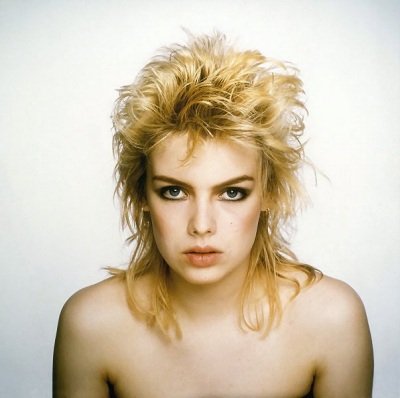
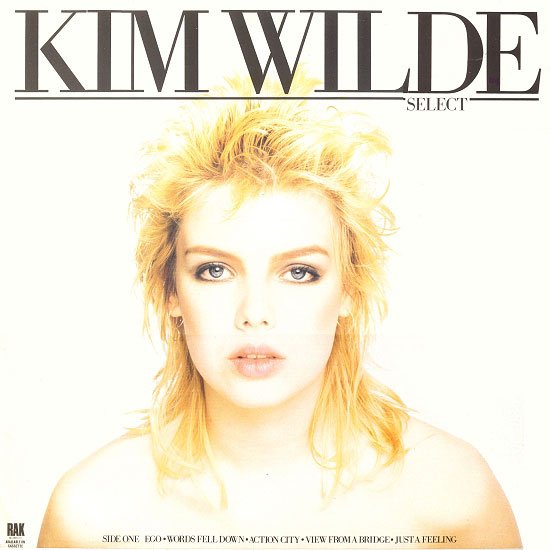
Kim Wilde's self-titled debut was an instant chart hit in the U.K. and gave her instant commercial credibility. She could have gone the shameless-commercial route and dumbed down her moody new wave approach to reach a broader audience but she didn't. Instead, her follow-up outing Select actually doubles down on the darkness. The result isn't as consistently engaging as the first album but it's a solid listen. Better yet, it's one of the darkest, quirkiest albums to be marketed under the banner of commercial new wave music.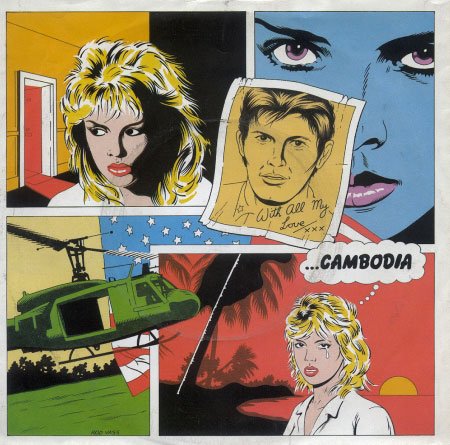 The first side of the album is engaging if not quite excellent: songs like "Words Fell Down" and "Just A Feeling" have sleek, synth-driven arrangements and plenty of energy but they aren't as relentlessly inventive as the songs on the first album. The best song on the first side is one of the album's singles, "View From A Bridge." It's amazingly dark for something aimed at the charts: the lyrics are a "jilted lover contemplates ending it all" scenario that is taken to another level by an enigmatic final verse that pushes things into Twilight Zone territory. Wilde wails the verses with the proper level of anguish, which is offset nicely by the robotic, staccato vocals on the chorus.
 The second side is a killer, with some of Wilde's best-ever recordings. "Chaos At The Airport" is a creepy tale of airplane phobia made real whose breathlessly hooky melody would have fit in on the first album and "Can You Come Over" is a surprise detour into guitar-driven power pop that sounds like a really good Blondie b-side. Even better is "Cambodia," an enigmatic wartime-set tale of lost love that is unexpectedly artsy for a single - an airy, hypnotic mood piece that recalls the high melodrama of Ultravox's best Midge Ure-era recordings. The latter track has an instrumental coda that doesn't add much but it's not enough to dim the song's ethereal appeal.
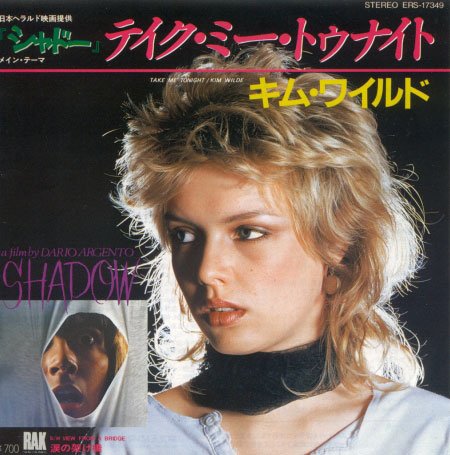 However, the best song on the second side - and perhaps the best of the album - is a dazzling blend of balladry and electronica called "Take Me Tonight." The lyrics are the story of an end-of-the-night pickup but they're told in a disarmingly direct first-person style that gives them a personal touch. Wilde is at her most seductive, building from breathy croon into a full-voiced expression of amour. That said, the clincher on this song is a dazzling arrangement by Ricky Wilde that weaves countless layers of synths, both programmed and played, into a dreamy soundscape that lulls the viewer right into the song's mood of intoxicating desire.
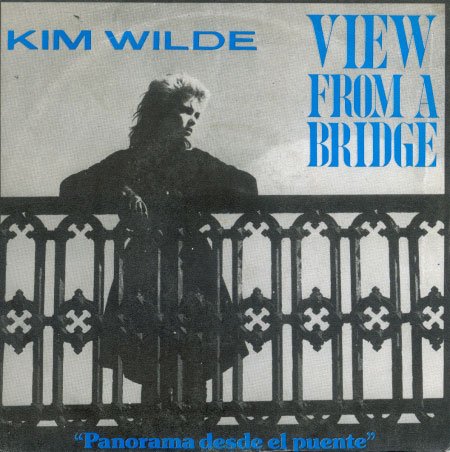 If there's a difference between the first album and Select, it's that they've pushed the envelope a little further in the wake of their early success. It's a family effort and they're doing pop their way: if it's a bit on the dark side, then what of it? Once again, the father-son team of Marty and Ricky Wilde handled the writing and production here. While they go for accessibility in their melodies (lots of hooks to be found) they pursue a more challenging path in the lyrics: in addition to the grim scenarios outlined earlier, there are also tales of social unrest ("Action City"), police brutality ("Wendy Sadd") and tales of interpersonal disconnection ("Ego" and "Words Fell Down"). Kim's vocals retain their teen-dream accessibility but her abilities as a stylist are pushed further by the likes of "Take Me Tonight" and "Cambodia."
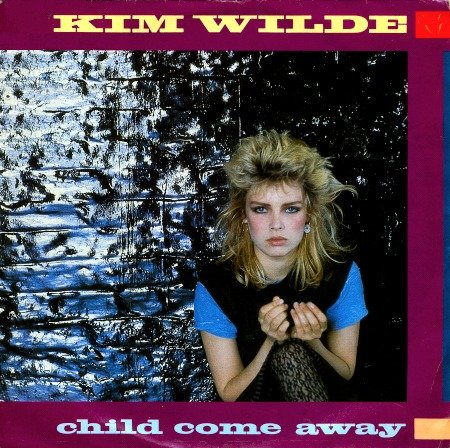 While not the smash hit that Kim Wilde was - Select only hit the top-20 in the U.K. and stiffed in the U.S. - it retains a level of ambition that makes it unique amongst the poppier end of the new wave. If you liked the first album, the second side alone makes Select worth the price of admission.(CD Notes: Cherry Pop's reissue of this title does it justice, offering a nice set of liner notes that include single-sleeve pictures and lyrics as well as a slew of bonus tracks. "Cambodia" is presented in its single version (which clips off the meandering instrumental coda of the album version) and rest of the bonuses are non-album tracks: the best of these is probably "Child Come Away," a stunner of a synth-ballad with a dark, fragmented scenario about a child who was the victim of an unspeakable crime that is never fully detailed.)